The visitor season at heritage sites begins on 2 April
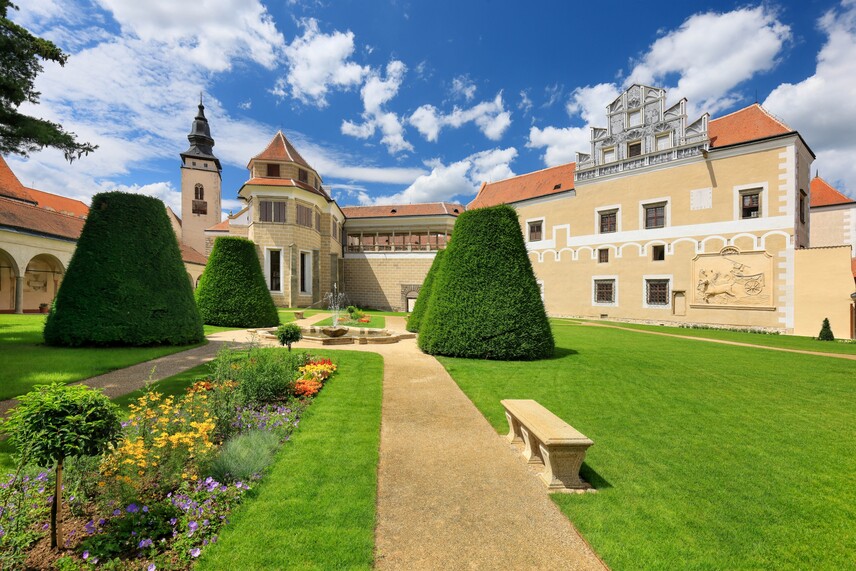
Castles, chateaux, and other heritage sites administered by the National Heritage Institute will launch the main visitor season on Thursday, 2 April. In addition to a special Easter programme, this year will offer visitors new exhibitions and newly restored historic spaces. The Institute’s thematic project In the Footsteps of Aristocratic Families will carry the subtitle Travels of the Nobility this year and will take visitors to interesting locations across Europe as well as to distant parts of the world. The traditional Castle Night will take place on Saturday, 22 August, and at the end of the year visitors can look forward to the popular Castle Advent.
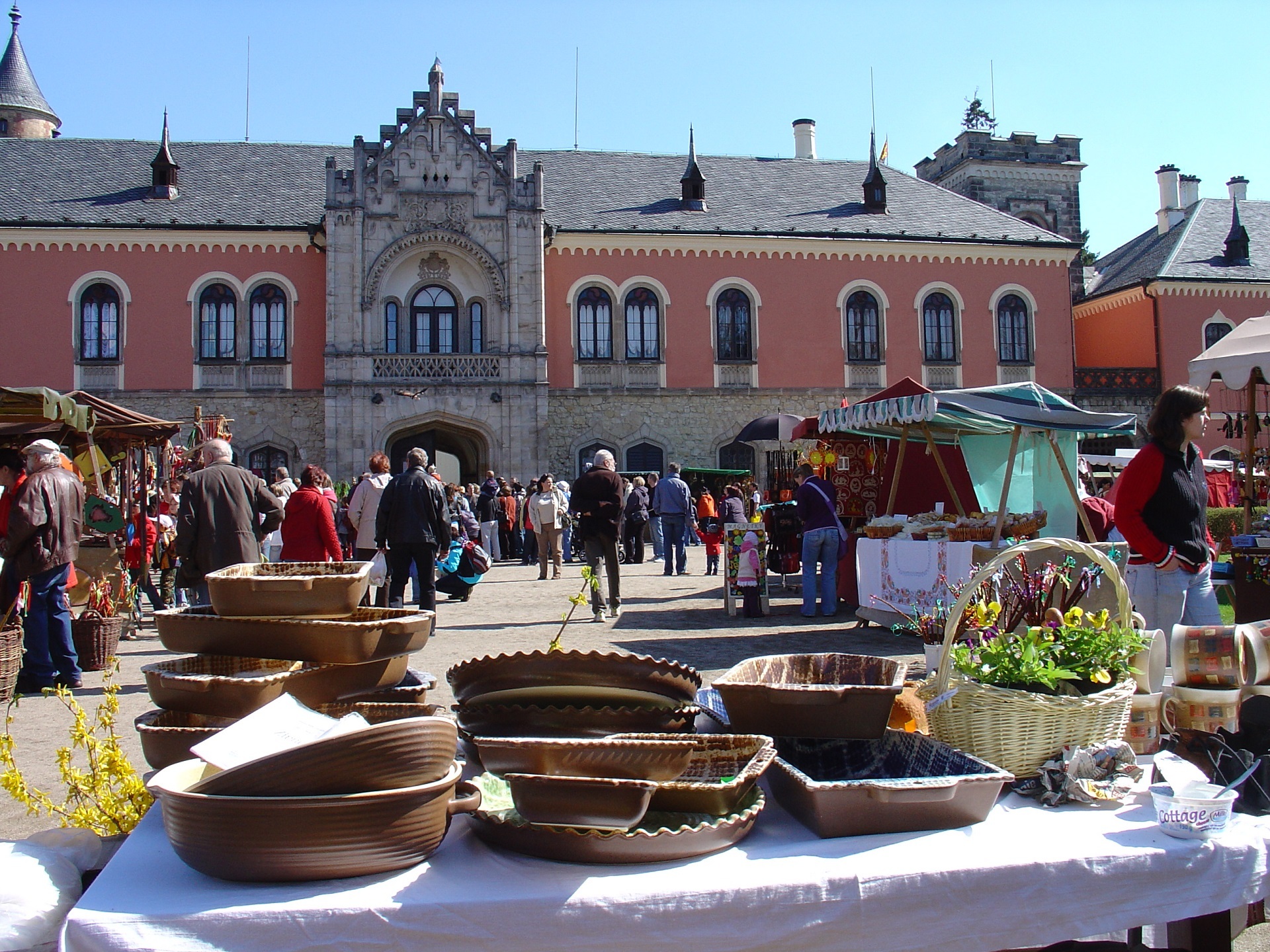
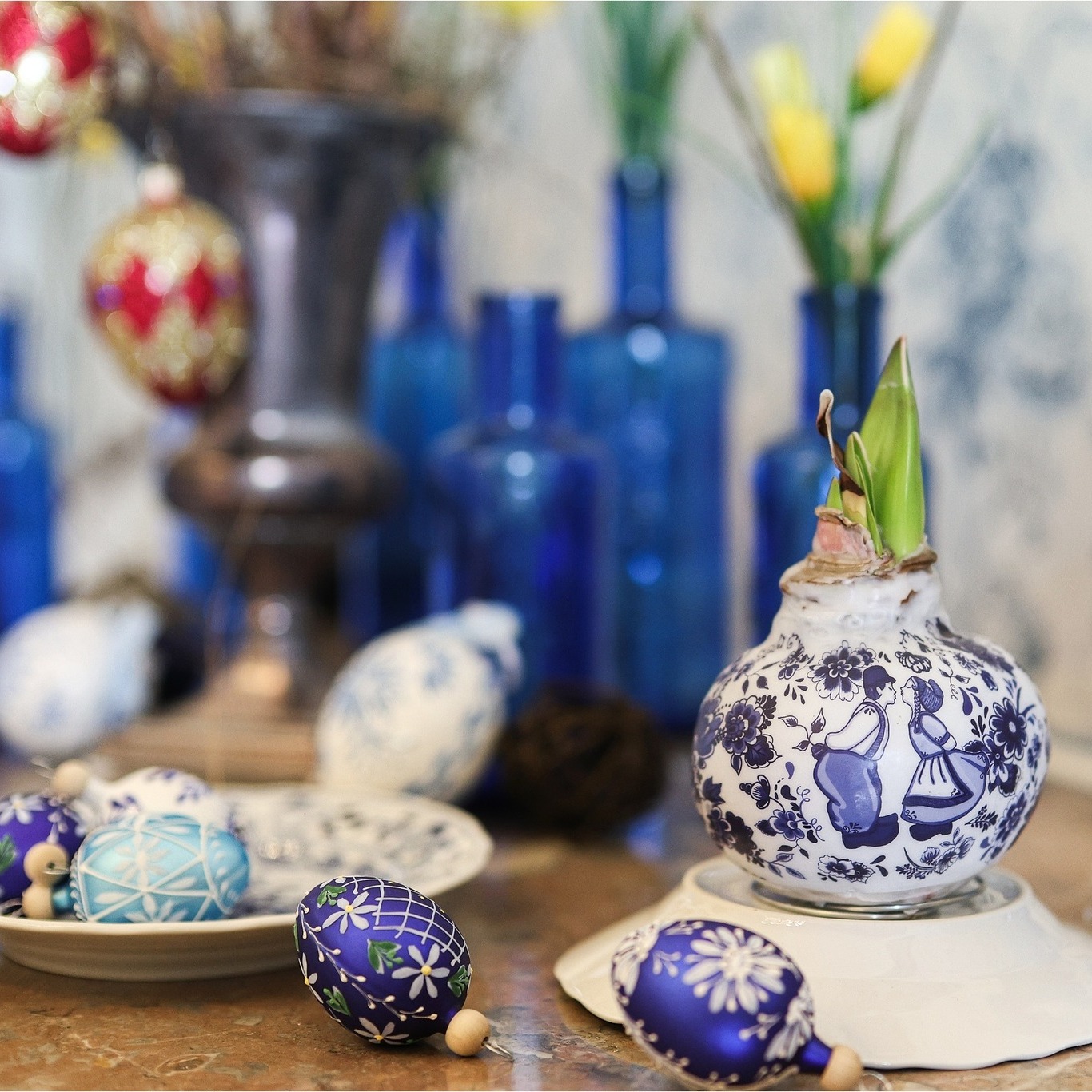
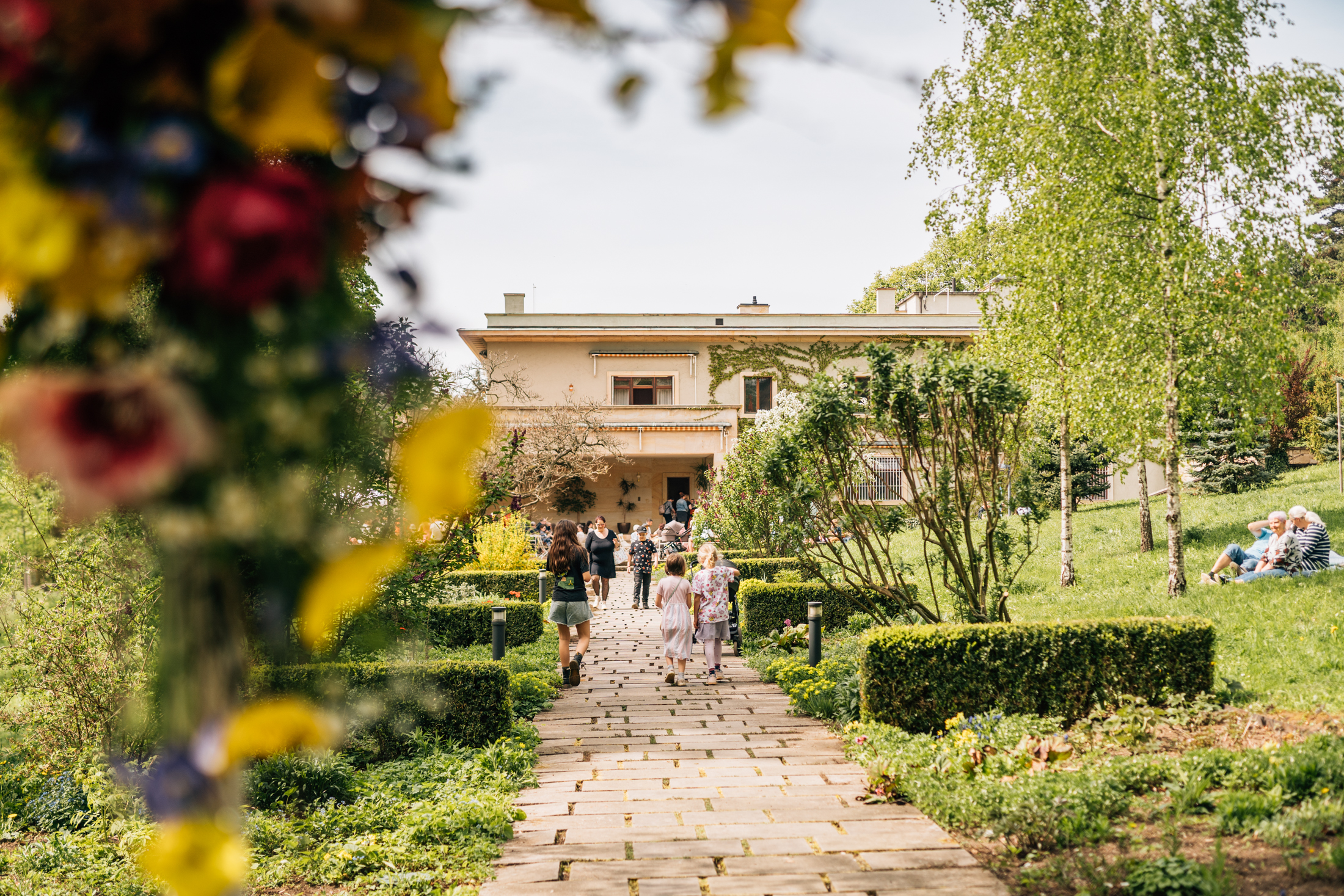
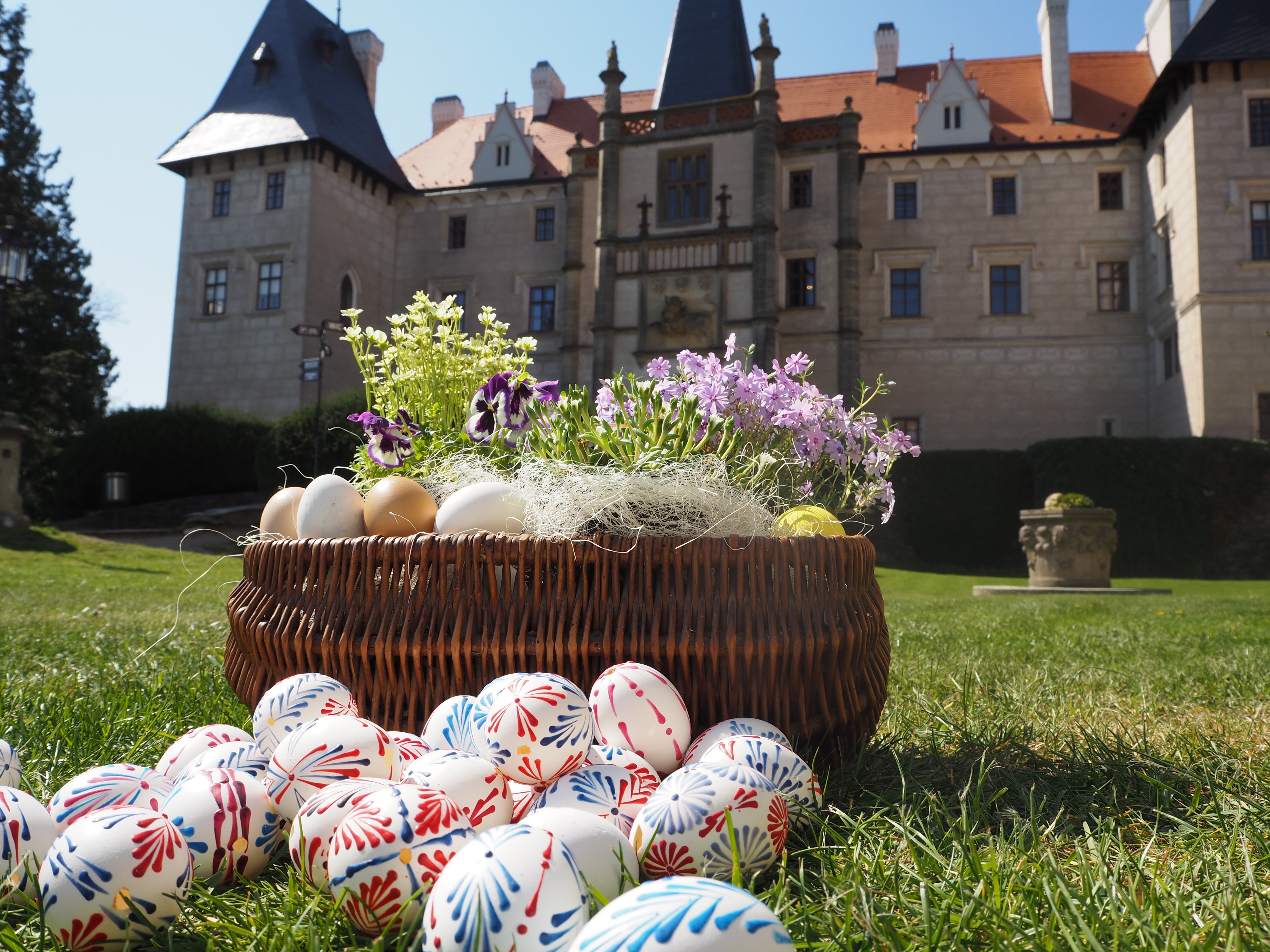
The season at heritage sites traditionally begins with an Easter programme. Castles and chateaux prepare festive decorations, markets, craft workshops, special guided tours, and family-friendly activities. Last year, more than 164,000 visitors attended heritage sites over the four Easter days. Easter celebrations with markets will take place, for example, at Křivoklát Castle, while large Easter markets are being prepared at Sychrov Chateau. Traditional demonstrations of Easter whip (pomlázka) braiding will be offered at Konopiště Chateau, and thematic exhibitions and spring interior decorations will be presented at sites including Opočno Chateau, the Stiassni Villa, Rájec nad Svitavou Chateau, and many others.
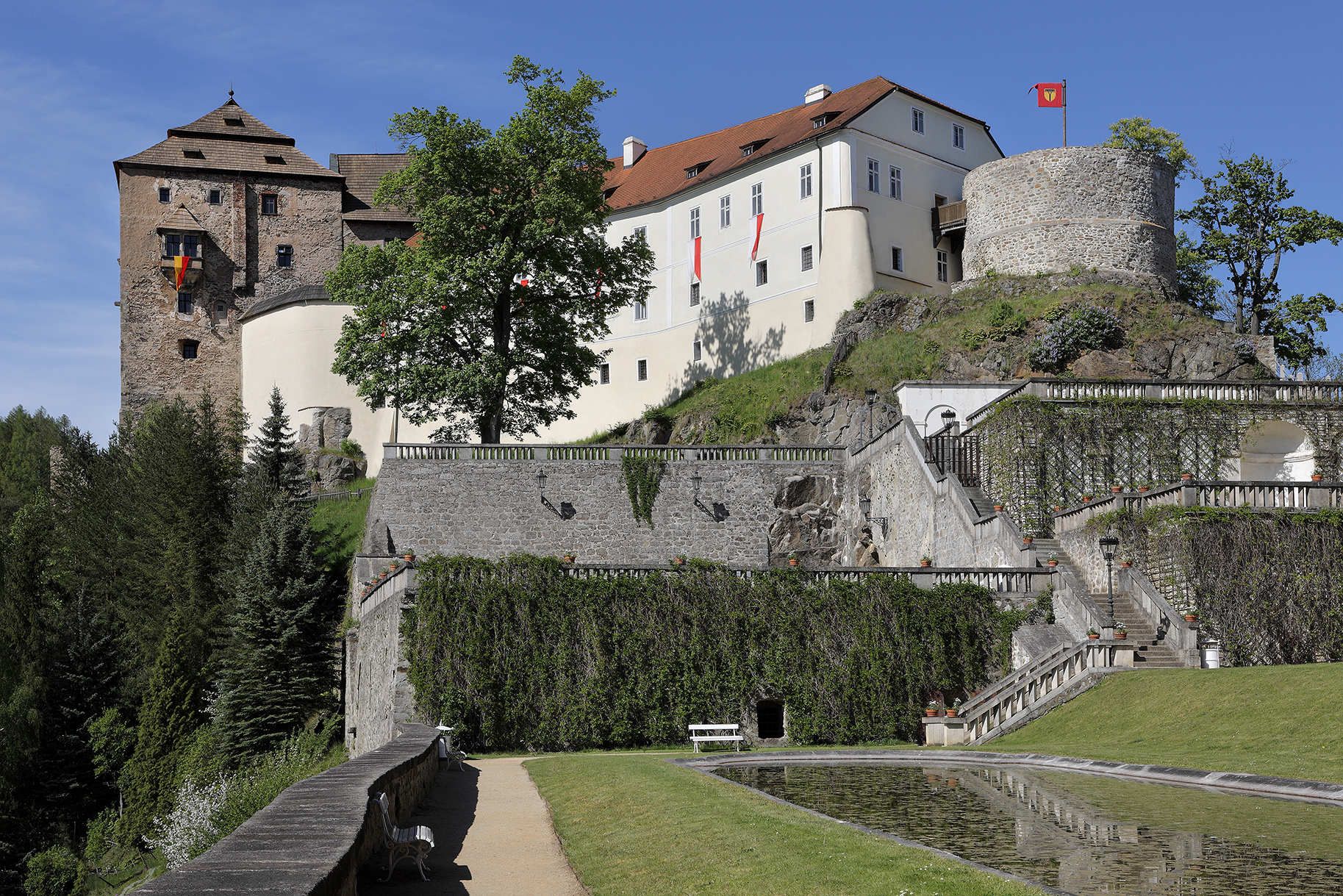
One of the new features this season is the opportunity to visit both the castle and the castle chapel at Bečov nad Teplou Castle and Chateau from 1 May — the site where the unique Reliquary of Saint Maurus was discovered. The chapel will open to the public for the first time in the modern history of this national cultural monument.
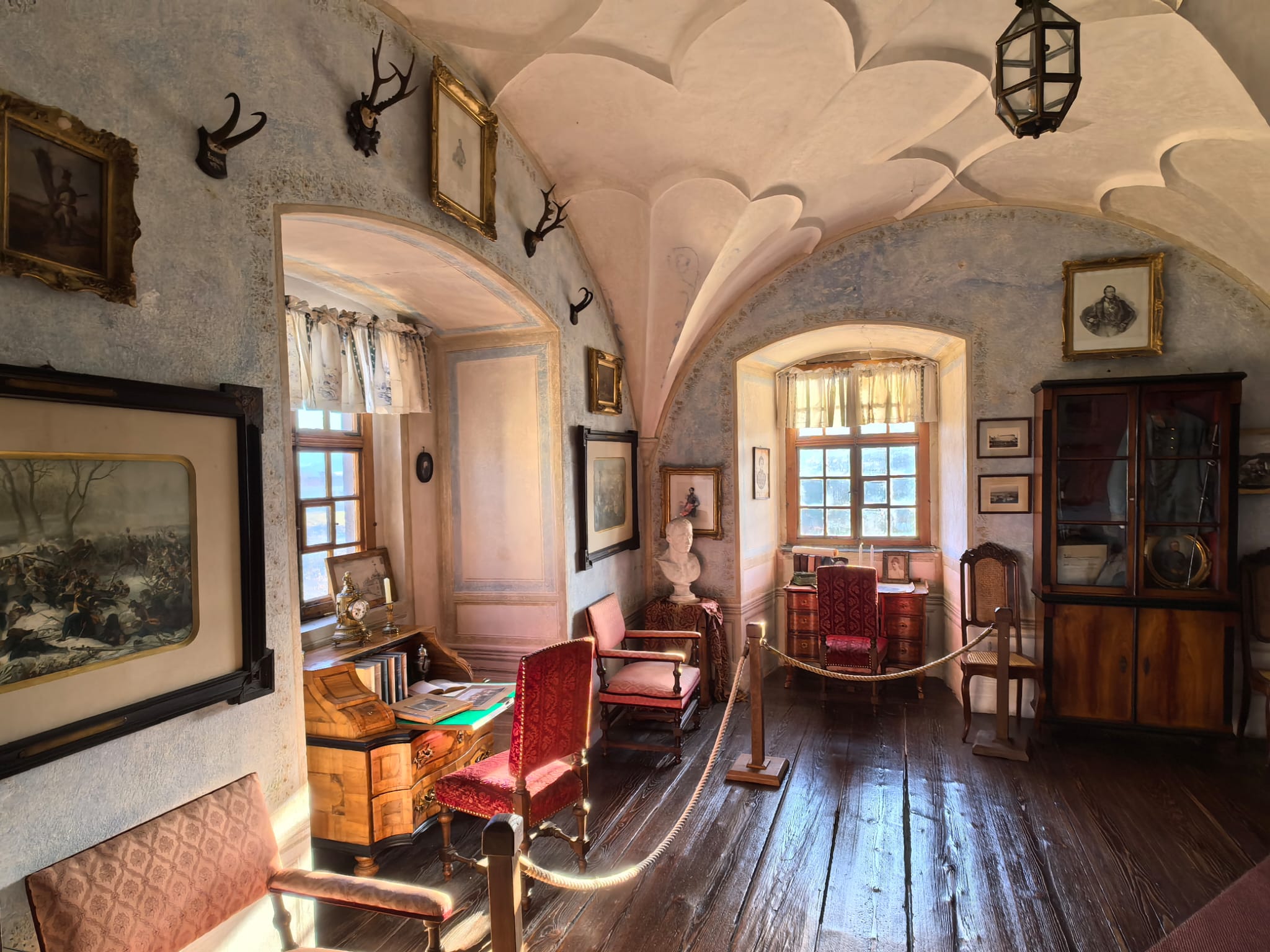
Frýdlant Castle is preparing a special summer tour route called Places Not Usually Open to the Public, which will also include rooms where the Clam-Gallas archive was hidden from the Nazis. Previously inaccessible areas will also be opened at Bučovice Chateau, where, in addition to the Renaissance ceremonial halls, visitors will newly be able to see the attic and the tower space with its clock mechanism from May onwards. At Sychrov Chateau, visitors will be able to view the Rohan archive from the end of March. At Litomyšl Chateau, a new tour route In the Footsteps of the Valdštejn Theatre will open in June, presenting the history of the château theatre and aristocratic theatre in general. At Český Krumlov Castle and Chateau, visitors will be able to see the newly restored and reinstalled Eggenberg Hall, including the “dressed” Golden Carriage, from April. New spaces will also open at Kladruby Monastery, where special tours will offer a glimpse into the roof structure of the historic prelature. Following completion of restoration works, Plasy Monastery will open the Santini Pavilion and, from July, will also reopen the Clock Tower tour route, leading visitors to the oldest part of the monastery — a two-storey Gothic chapel, the granary building, and finally the Baroque clock mechanism, still manually wound. Slatiňany Chateau plans to open a restored connecting corridor leading to the Church of St. Martin in the autumn. At Kynžvart Chateau, a new exhibition of a unique collection of daguerreotypes, listed on UNESCO’s Memory of the World register, is being created. Completely renewed tour routes will also be presented at Duchcov Chateau, including rooms associated with the famous adventurer Giacomo Casanova. Šternberk Castle is undergoing a major transformation of its visitor routes. At Švihov Castle, visitors will once again be able to see the castle chapel, newly restored with renewed wall paintings and seating. During the summer, selected interiors of Upper Rožmberk Chateau will be opened temporarily, following its transfer to NPÚ management last year, presenting its historical condition documented in period photographs as well as plans for future restoration and use.
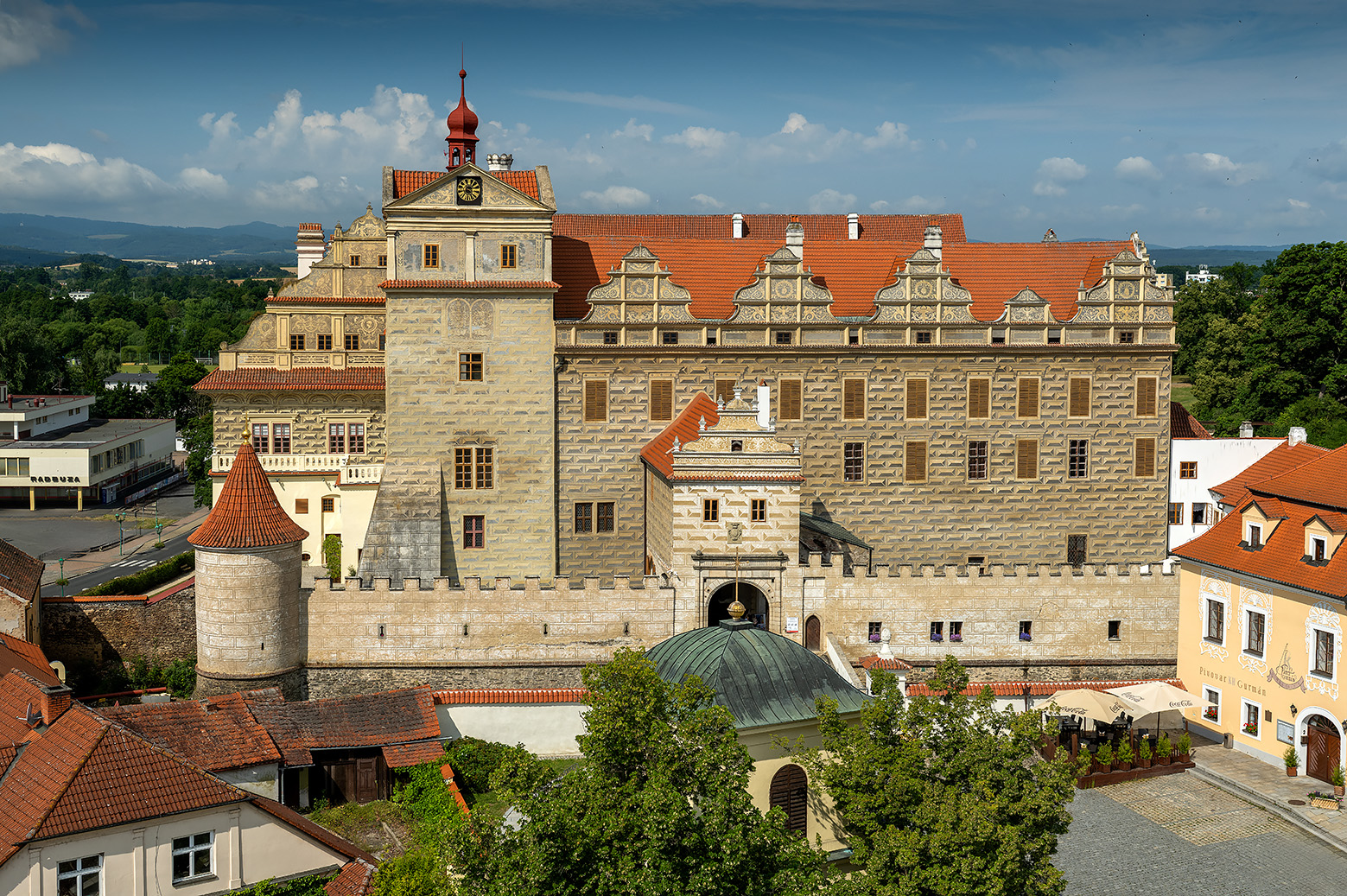
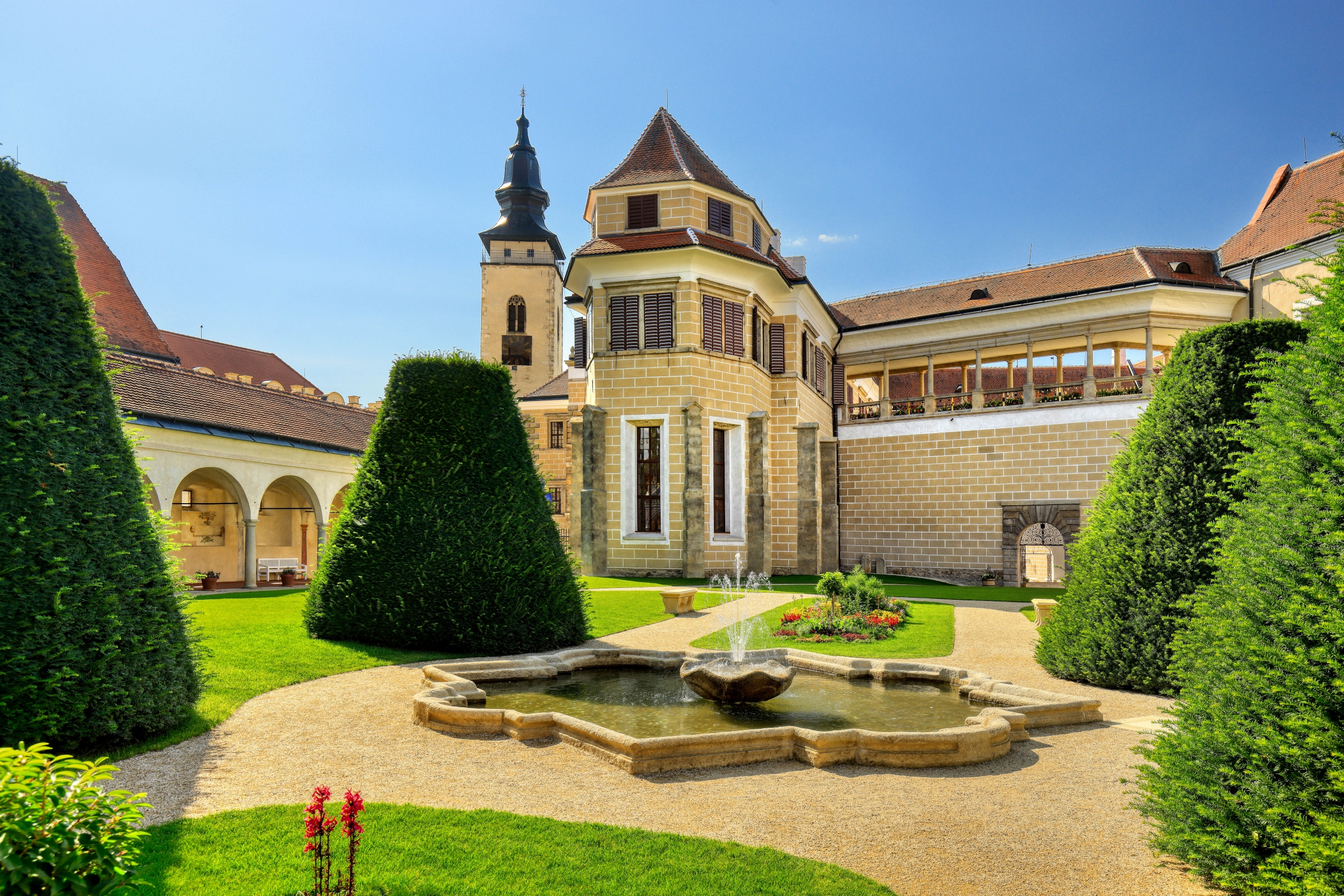
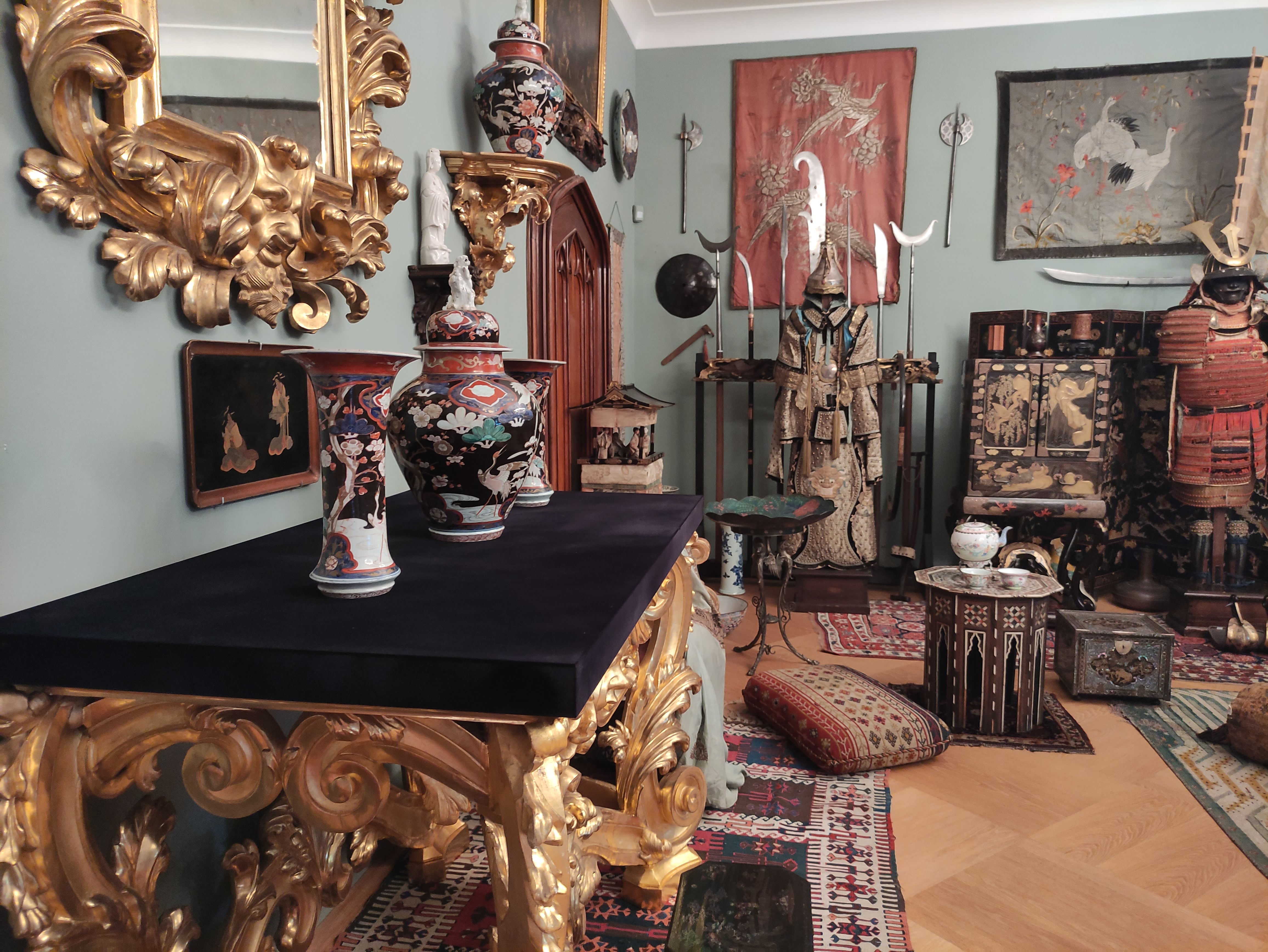
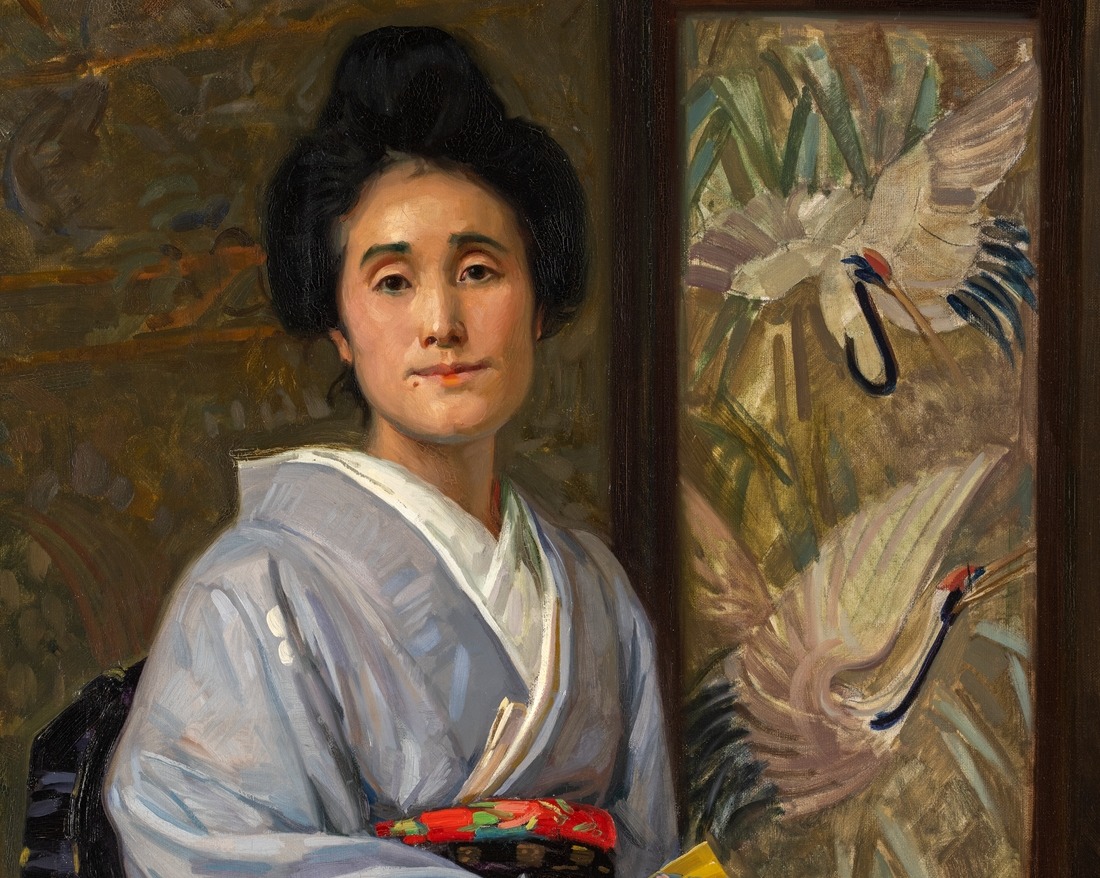
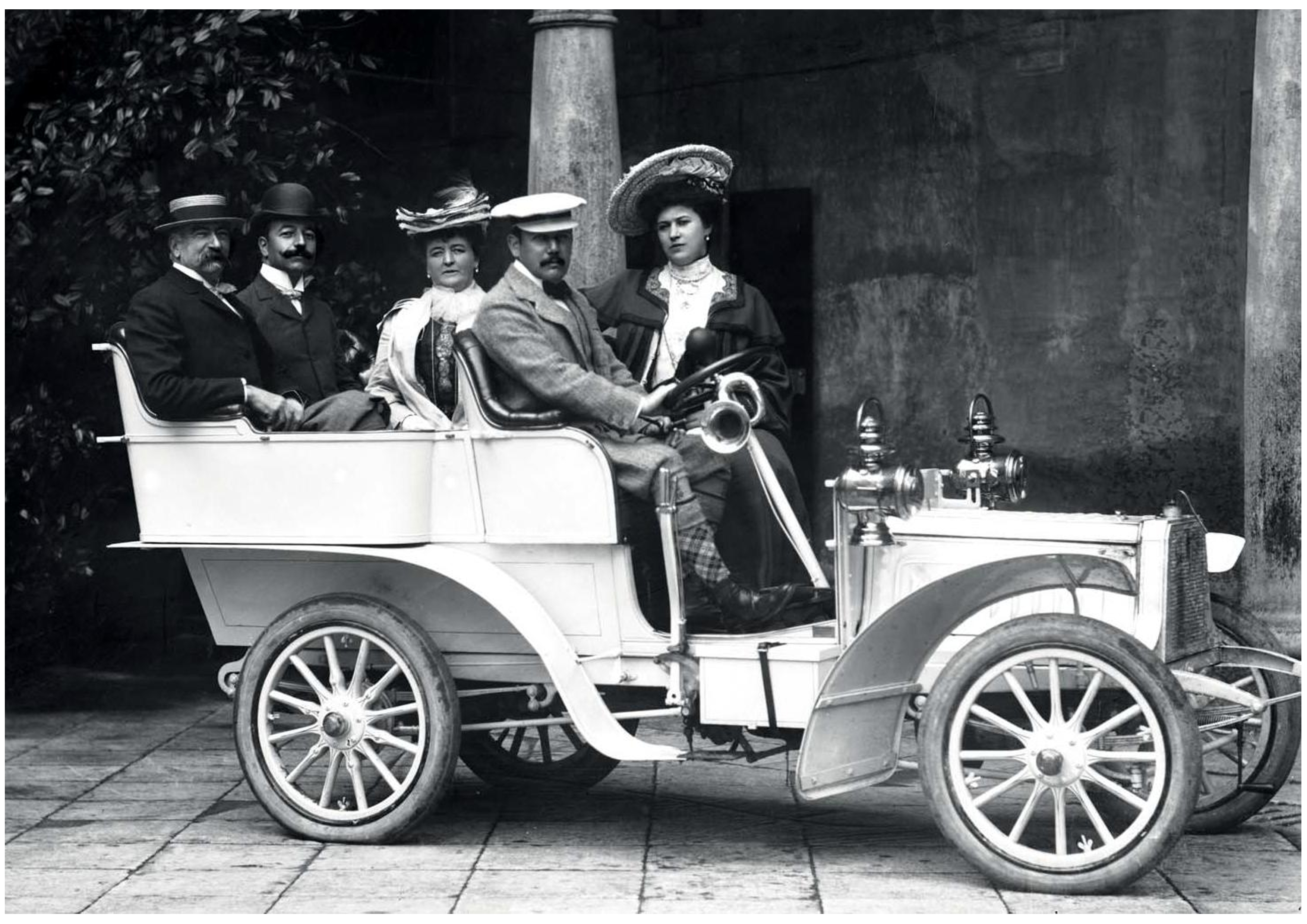
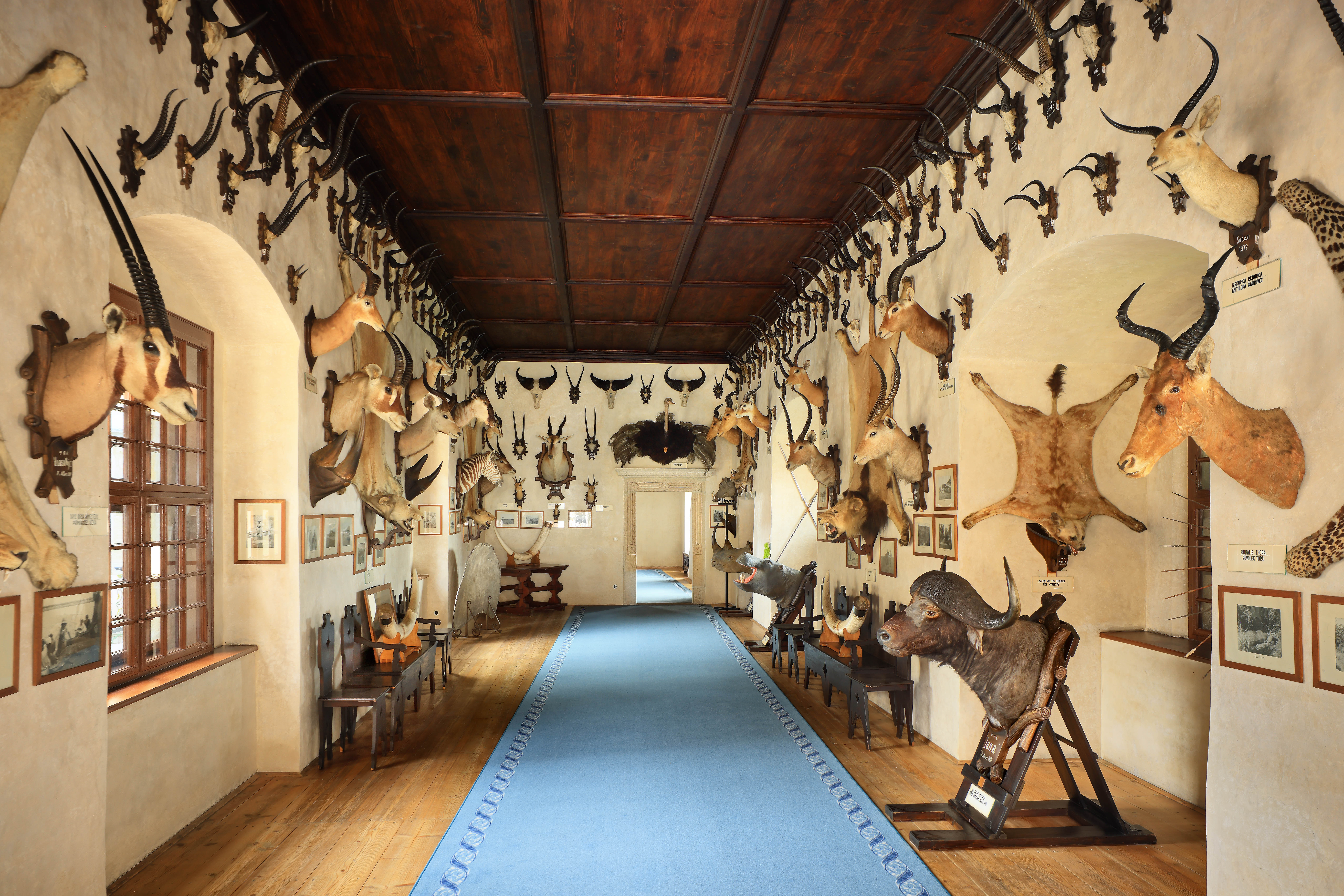
The thematic project In the Footsteps of Aristocratic Families, focused on aristocratic travel, will also bring a range of new features. It explores the “long 19th century”, when the development of railways, steam navigation, and later motor transport fundamentally transformed travel. Aristocrats gradually became modern tourists, and their interest in distant countries influenced not only their lifestyles but also the appearance of castle and château interiors. More than forty heritage sites and NPÚ expert departments are involved in the project, preparing thematic exhibitions, adapted tour routes, and cultural events. For example, Horšovský Týn Chateau will reopen the Mitsuko tour route dedicated to Countess Mitsuko Coudenhove-Kalergi, the first Japanese woman to settle permanently in Europe. Telč Chateau will present the lives of its last owners, the Podstatský-Lichtenstein family, and their travels across Europe on a newly adapted tour route. A new exhibition titled Travel Fever: When the Aristocracy Set Out into the World is being prepared at Červené Poříčí Chateau.
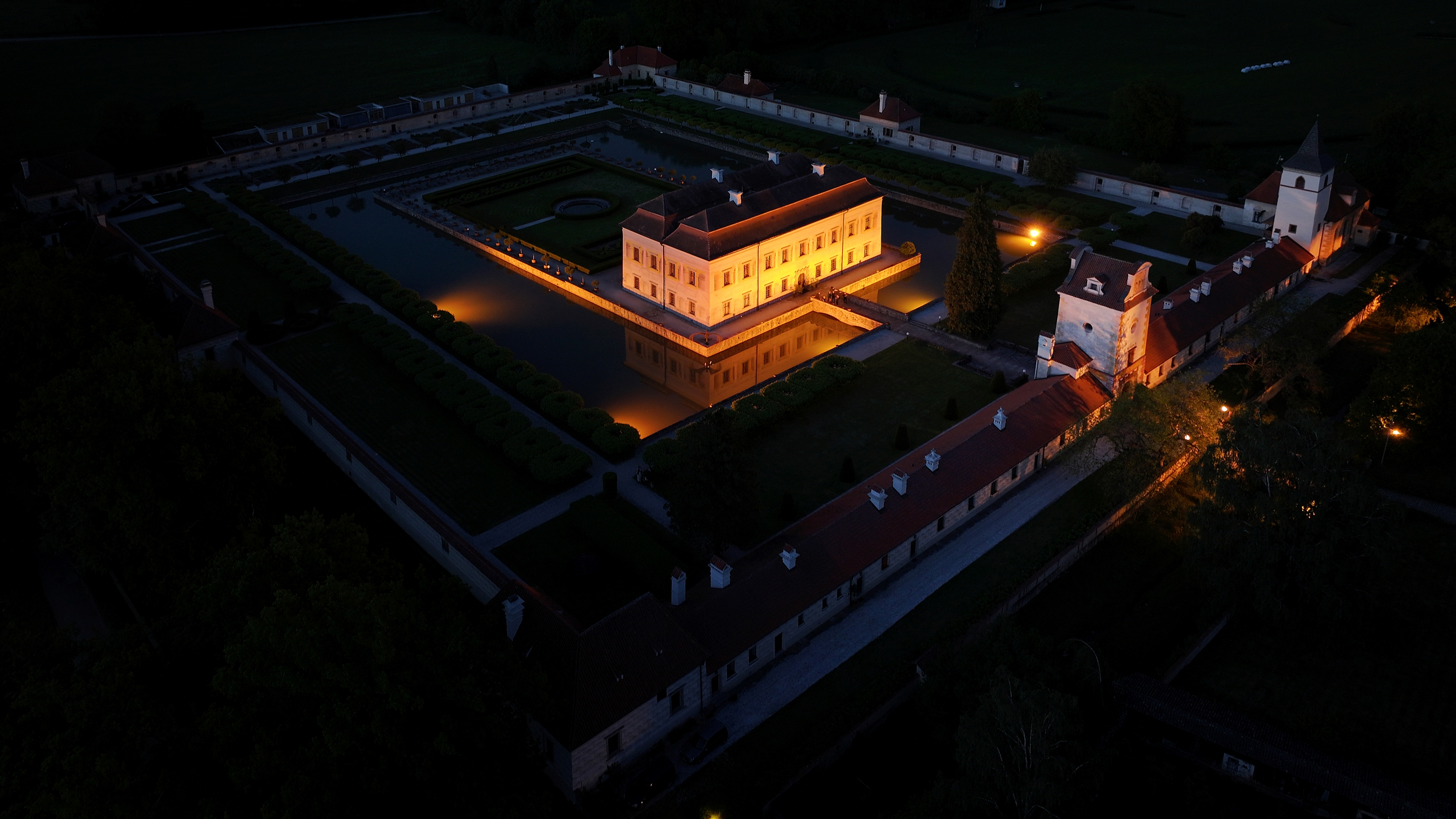
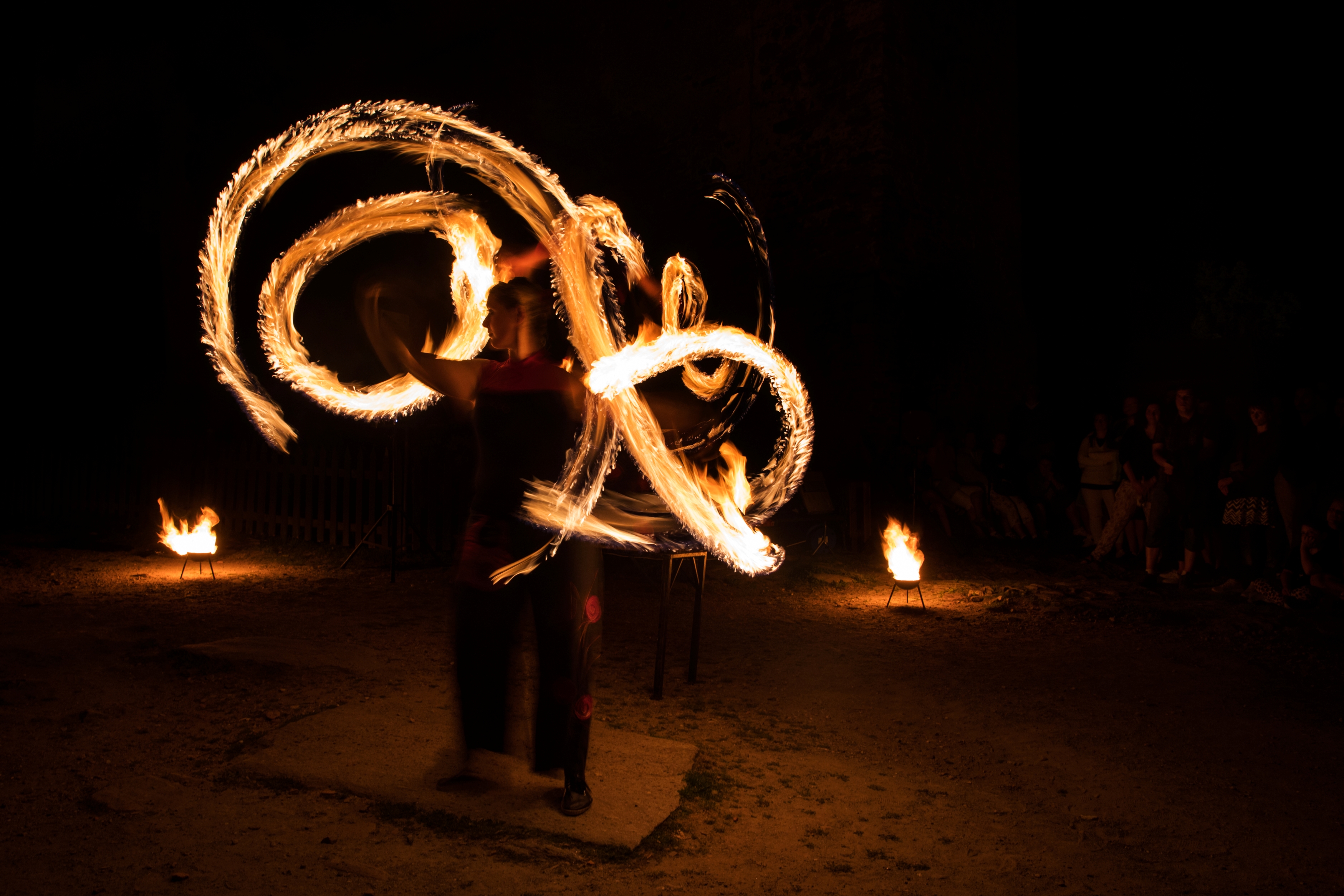
The Castle Night event, thematically linked to aristocratic travel, will once again be a highlight of the summer season. Around 150 heritage sites across the Czech Republic — including those managed by NPÚ and other owners — will take part. Castle Night represents the peak of the summer visitor season. It will take place on Saturday, 22 August, with Horšovský Týn Castle and Chateau as the main venue.
Admission fees at selected sites were adjusted in February, with increases of 20 CZK for adult visitors and, in some cases, up to 40 CZK. The main reason is the continued rise in operational costs, particularly maintenance, repairs, and security. The change applies to 80 of the 128 main tour routes. Children under six continue to enter free of charge; children aged 6–17 pay one-third of the admission fee; and visitors aged 18–24 and seniors receive a 20% discount. Around 40% of visitors use some form of discount.
A new feature this season is the “Annual Pass”, designed for visitors who regularly return to castles and chateaux. At the end of last year, NPÚ launched a pilot sale of a limited edition of 250 passes at a launch price of CZK 2,000. The pass is valid for the entire 2026 calendar year and allows unlimited visits to more than one hundred state-managed heritage sites, excluding premium tour routes and special events. The results of the pilot phase will be evaluated at the end of this season. Interest is also growing in gift vouchers, which can be used to purchase tickets for any tour route. In 2025, 5,700 vouchers were sold with a total value of CZK 1.8 million, a 20% year-on-year increase. They are most often used for visits to Karlštejn Castle.
In 2025, NPÚ heritage sites were visited by a total of 4.3 million people, a 6% increase compared to 2024. Early data from this year also confirm continued growth: over 48,000 visitors came in January and February, a 2% year-on-year increase.
The National Heritage Institute manages around one hundred heritage sites in the Czech Republic, including castles, chateaux, monasteries, churches, hospitals, a villa, and technical monuments. In addition to its own resources, it uses state budget funding and European programmes for their preservation.
Within the Integrated Regional Operational Programme (IROP), NPÚ is implementing ten projects at Veveří Castle, Hrádek u Nechanic Chateau, Lednice and Valtice chateaux, Kladruby Monastery, Český Krumlov Castle and Chateau, and at the Michal Mine in Ostrava.
New projects will also begin this year at Milotice Chateau and Zákupy Chateau, where extensive restoration of the manor farm complex will continue. Major construction works are also ongoing at Frýdlant Castle and Chateau, where restoration of the Renaissance château roof has been completed and approval procedures are underway, followed by repairs to the castle roof structures and chapel. At Lipnice Castle, the final phase of roof restoration will be completed this year, alongside ongoing conservation of historic plasterwork in the Trčka Palace and the castle museum interiors.
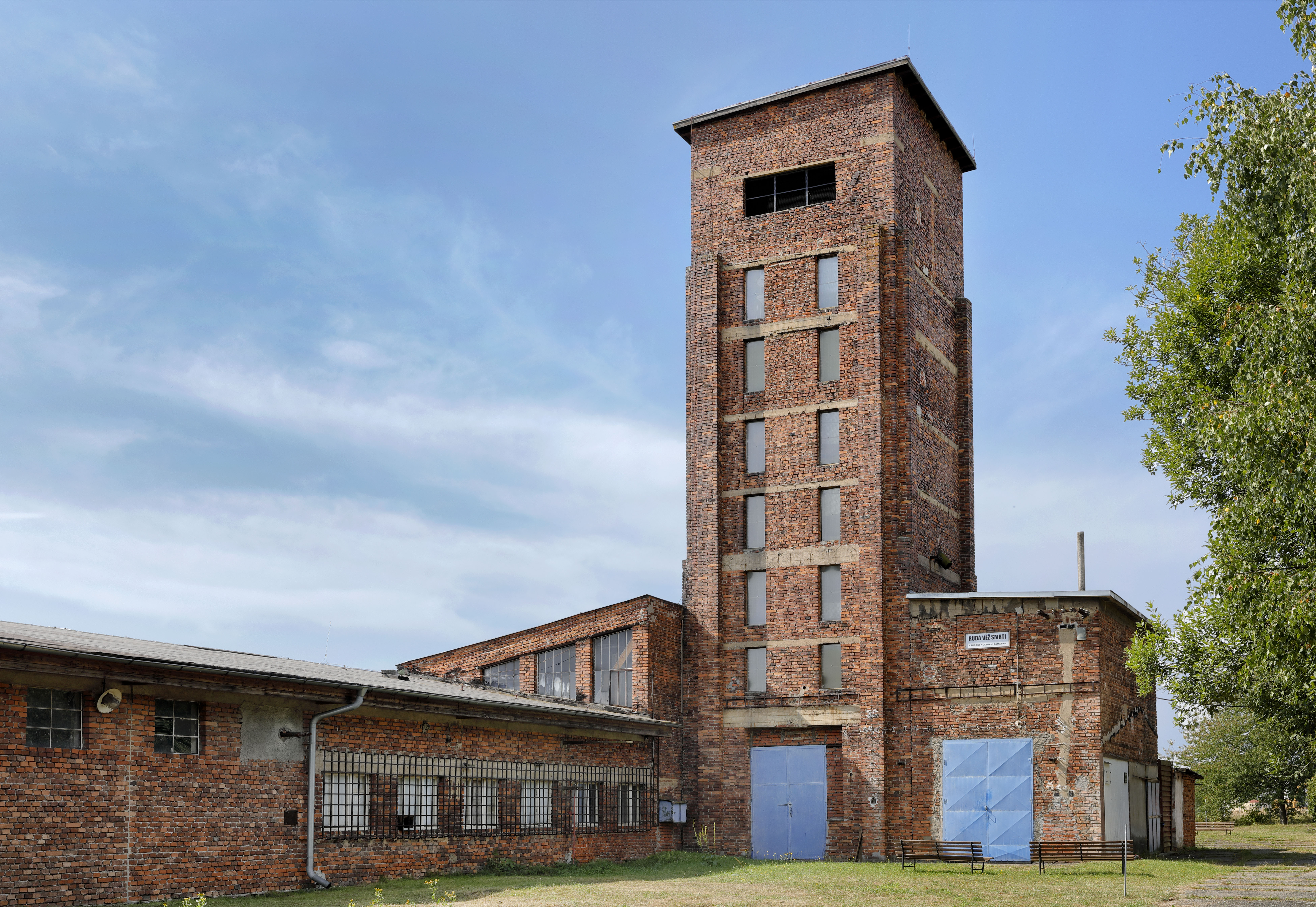
At the Red Tower of Death site in Ostrov near Karlovy Vary, which has been under NPÚ management since last July, basic utility connections and infrastructure for regular visitor access will be completed this year. The site is expected to open to the public in May during the commemorative event Jáchymov Hell.
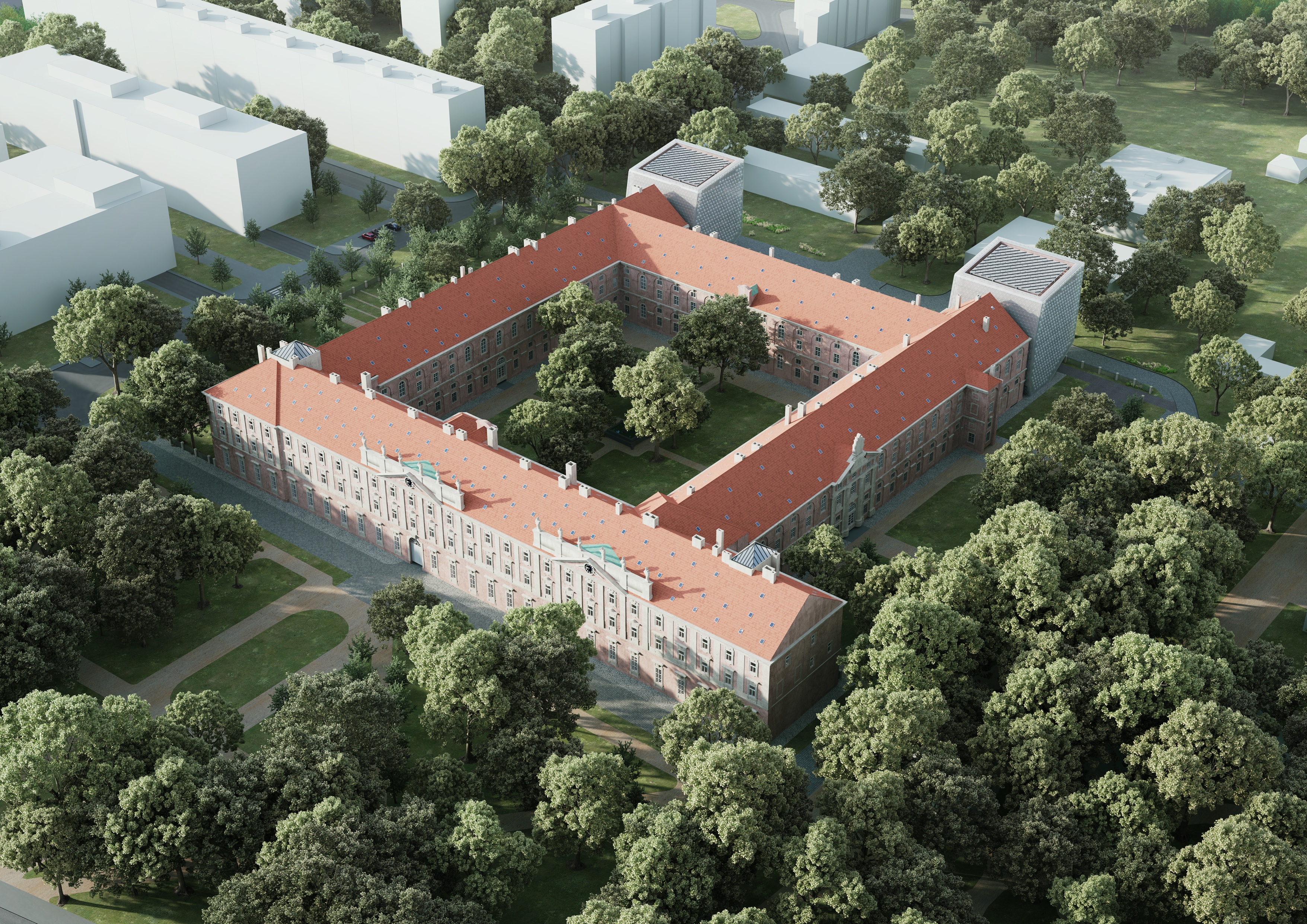
The largest investment in NPÚ history is the restoration of Invalidovna in Prague, where a procurement process for the contractor is currently underway. The project includes reconstruction of the historic building, a new structure on the southern side of the complex, and complete revitalisation of the gardens. The planned budget is CZK 2.15 billion including VAT. Construction is expected to take three years, with the fully equipped site — including permanent exhibitions — scheduled to open to the public at the turn of 2029 and 2030.
The third series of Hidden Gems (Skryté skvosty III) — featuring exceptional heritage sites and their lesser-known stories — will premiere on ČT2 on 19 March at 21:00. Upcoming episodes will feature Lipnice Castle, Plasy Monastery, Březnice Chateau, Karlova Koruna Chateau, Valdštejn Castle, Dačice Chateau, Slatiňany Chateau, Světlá nad Sázavou Chateau, Šternberk Castle, and Zákupy Chateau.
The National Heritage Institute Awards (Patrimonium pro futuro) for the most significant achievements in heritage conservation will take place on 20 October and will once again be broadcast live by Czech Television.